Northern Nevada’s high desert climate presents unique challenges for residential plumbing systems. With elevation ranging from 4,400 feet in Reno to over 6,200 feet in Lake Tahoe, combined with temperature swings that can exceed 50 degrees between day and night, homeowners face plumbing stresses that don’t exist in more temperate climates.
D&D Plumbing has spent over 40 years solving plumbing problems specific to the Reno, Sparks, and Tahoe region. This guide covers the plumbing solutions that actually work in our high desert environment—and why generic advice from national sources often falls short here.
Understanding Northern Nevada’s Impact On Your Plumbing
The combination of high altitude, extreme temperature fluctuations, low humidity, and mineral-rich water creates a perfect storm for plumbing system stress:
Altitude effects: Lower atmospheric pressure at elevation means water boils at lower temperatures, affecting water heater efficiency and performance. Standard water heater settings that work in sea-level cities may be inadequate for homes in Truckee or South Lake Tahoe.
Temperature extremes: Reno’s average winter low of 23°F combined with summer highs above 95°F creates expansion and contraction cycles that stress pipes, joints, and fixtures. Tahoe homes face even more dramatic swings, with winter temperatures regularly dropping below zero.
Hard water: Northern Nevada’s water contains high concentrations of calcium and magnesium. This mineral buildup accelerates water heater deterioration, clogs pipes, and reduces the lifespan of plumbing fixtures.
Low humidity: The high desert’s dry air causes rubber seals and gaskets to dry out faster than in humid climates, leading to premature fixture failures and leaks.
These factors explain why plumbing systems in Northern Nevada often require different solutions than homes in other regions. Here’s what works.
Radiant Heating
If you’ve lived through a Tahoe winter or experienced Reno’s coldest months, you know that forced-air heating has limitations. Drafty rooms, cold floors, and uneven temperatures are common complaints—especially in homes with vaulted ceilings or large windows.
Hydronic radiant floor heating solves these problems by turning your floors into gentle, consistent heat sources. Instead of blowing hot air through ducts (which rises immediately to the ceiling), radiant systems warm the floor surface, which then radiates heat upward through the room.
Why Radiant Heating Works Better in Northern Nevada
Energy efficiency in extreme cold: Radiant systems operate at lower water temperatures (typically 85-140°F) compared to the 140-180°F required by baseboard systems. In Tahoe homes where heating seasons stretch from October through May, this efficiency translates to significant utility savings.
Altitude performance: Unlike forced-air systems that struggle to maintain pressure and efficiency at elevation, hydronic radiant heating performs consistently regardless of altitude. This makes it particularly effective for Tahoe, Truckee, and mountain properties above 6,000 feet.
No heat loss through ductwork: In older Reno and Sparks homes, up to 30% of heated air can be lost through leaky ductwork in uninsulated attics or crawl spaces. Radiant systems eliminate this waste entirely.
Consistent comfort despite temperature swings: The thermal mass of radiant systems (the concrete, tile, or subfloor that stores heat) helps buffer against Northern Nevada’s dramatic day-to-night temperature changes. Your floors stay warm even when outdoor temperatures drop rapidly after sunset.
Installation Considerations for Desert Climate Homes
D&D Plumbing has installed radiant heating systems in Northern Nevada homes since the early 1980s. Based on that experience, here’s what works:
Under tile and stone: These materials conduct heat efficiently and are ideal for bathrooms, kitchens, and entryways. In Tahoe homes, heated tile floors in mudrooms prevent tracked-in snow from creating slippery, cold surfaces.
Under hardwood: Modern installation methods allow radiant heating beneath engineered hardwood without warping concerns. The key is proper moisture barriers and gradual temperature adjustments—critical in our low-humidity climate where wood already tends to dry out.
In concrete slabs: For Reno and Sparks homes built on slab foundations, radiant tubing can be installed directly in the concrete. This is particularly effective for basements, garages, and bonus rooms over garages where traditional heating struggles.
Water Heater Solutions
Northern Nevada’s hard water is particularly aggressive on water heaters. The high mineral content accelerates sediment buildup inside tanks, reducing efficiency and shortening lifespan. What should be a 10-12 year appliance often fails in 7-8 years in Reno and Sparks homes.
Signs Your Water Heater Is Failing
If you notice any of these issues, your water heater may be approaching failure:
Rumbling or popping noises: This is sediment buildup on the tank bottom, caused by mineral deposits from hard water. As sediment accumulates, it insulates the water from the heating element, forcing the system to work harder and increasing energy costs.
Inconsistent water temperature: If showers start hot but quickly turn lukewarm, or if you’re running out of hot water faster than usual, the heating elements or thermostat may be failing. This is especially common in water heaters more than 6-7 years old.
Rust-colored water: Reddish or brown tint in hot water indicates internal tank corrosion. Once rust appears, tank failure is typically 6-18 months away. In hard water areas, this process accelerates.
Moisture around the base: Small leaks or pooled water near the water heater often indicate tank failure. At high altitude, temperature and pressure fluctuations can stress tank welds and seams, causing premature failure.
Age over 8 years: In Northern Nevada’s hard water conditions, water heaters beyond 8 years old are living on borrowed time. The combination of mineral buildup and temperature cycling takes a toll that standard maintenance can’t fully prevent.
Tankless vs. Traditional Tank: What Works in Reno and Tahoe
Traditional tank water heaters remain the reliable choice for most Northern Nevada homes. They’re less sensitive to altitude effects, handle hard water reasonably well with proper maintenance, and provide consistent hot water delivery even during power fluctuations.
However, the hard water factor means Northern Nevada homeowners should prioritize models with:
- Powered anode rods (prevent corrosion more effectively than standard magnesium rods)
- Glass-lined tanks with heavier gauge steel
- Easy-access drain valves for annual flushing (critical for removing sediment)
Tankless water heaters can work in Northern Nevada, but they require more consideration:
At elevations above 5,500 feet, most tankless units require high-altitude conversion kits. Without these adjustments, units won’t reach proper temperatures or may shut down due to incomplete combustion.
Hard water is tankless heating’s enemy. Mineral buildup on heat exchangers reduces efficiency and can cause complete failure within 3-5 years without professional descaling every 12-18 months. In Reno and Sparks, annual maintenance is non-negotiable for tankless systems.
For Tahoe vacation homes that sit empty for weeks at a time, tankless units offer a significant advantage: no risk of a tank rupturing during extended absences. However, winterization requirements are stricter—any water left in the system will freeze and destroy the unit.
Water Heater Maintenance for Longer Lifespan
To maximize water heater life in hard water conditions:
Annual flushing: Drain 2-3 gallons from the tank every year to remove sediment. In Reno and Sparks homes with very hard water, twice-yearly flushing extends lifespan significantly.
Anode rod inspection: Check the sacrificial anode rod every 3 years. In hard water, these corrode faster and should be replaced when more than 50% depleted.
Temperature settings: Keep water heaters at 120°F. Higher temperatures accelerate mineral buildup and increase energy costs. At Tahoe elevations, some homeowners raise settings to 125°F to compensate for altitude effects, but this should be balanced against increased sediment formation.
Expansion tank installation: Northern Nevada’s temperature swings cause significant pressure fluctuations in water systems. An expansion tank protects the water heater from stress and extends its lifespan by 2-3 years on average.
Repiping
Reno and Sparks have significant housing stock from the 1950s through 1980s. Many of these homes have original galvanized steel or early copper piping that’s reaching the end of its useful life—often accelerated by Northern Nevada’s hard water and temperature extremes.
Signs You Need Repiping
Frequent leaks: If you’re calling a plumber for pipe repairs more than once every two years, your plumbing system is telling you something. Rather than continuing to patch individual failures, whole-house repiping often makes financial sense.
Low water pressure: Progressive loss of water pressure throughout the house (not just one fixture) indicates pipe corrosion or mineral buildup. In galvanized steel pipes, the interior diameter shrinks over time as rust and scale accumulate, restricting flow.
Discolored water: Brown or rust-colored water from cold taps indicates galvanized pipe deterioration. Hot water discoloration points to water heater issues, but cold water problems mean the supply lines themselves are corroding.
Visible corrosion: If exposed pipes in basements or crawl spaces show rust, flaking, or green oxidation (on copper), the hidden pipes inside walls are likely in similar or worse condition.
Age of home and pipes: Galvanized steel pipes typically last 40-50 years in moderate climates but only 30-40 years in hard water areas like Northern Nevada. Copper pipes normally last 50+ years but can fail earlier if water chemistry is particularly aggressive. If your home was built before 1980 and still has original plumbing, repiping should be on your radar.
Repiping Materials for Northern Nevada Homes
PEX (cross-linked polyethylene): This has become the standard for Northern Nevada repiping projects. PEX resists corrosion, handles temperature extremes better than copper, and its flexibility allows for faster installation with fewer joints (reducing leak points).
For Tahoe homes, PEX’s freeze resistance is a significant advantage. While no pipe is completely freeze-proof, PEX can expand slightly when water freezes inside it, often surviving freeze events that would burst copper pipes.
Copper: Still preferred for certain applications (gas lines, exposed piping where aesthetics matter), but copper’s cost has increased substantially in recent years. For whole-house repiping, copper now costs 40-60% more than PEX with no performance advantage in our climate.
CPVC: Not recommended for Northern Nevada. Temperature extremes cause CPVC to become brittle over time, and the material doesn’t handle freezing conditions well. While cheaper than PEX initially, failure rates are higher.
Repiping Costs & Timeline
For a typical 1,500-1,800 square-foot home in Reno or Sparks, complete repiping with PEX generally runs $4,500-$8,500 depending on:
- Number of bathrooms and fixtures
- Accessibility of existing pipes
- Whether walls need to be opened
- Extent of water damage repairs needed
Installation typically takes 2-4 days for most homes. You’ll need to plan for:
- Water shutoffs during working hours (usually 8-10 hours per day)
- Temporary disruption to bathrooms and kitchens
- Possible drywall repairs (which D&D coordinates with trusted contractors)
For older Reno and Sparks homes with crawl space access, repiping is often less invasive than homeowners expect. Much of the work happens below the house, minimizing interior disruption.
Repiping Return on Investment
While repiping is a significant expense, consider these factors:
Prevents water damage: A single major pipe failure can cause $5,000-$20,000 in water damage, mold remediation, and repairs. Repiping eliminates this risk.
Improves water pressure and quality: Homeowners consistently report that showers feel better and appliances work more efficiently after repiping removes decades of mineral buildup and corrosion.
Increases home value: When selling a home, new plumbing is a strong selling point. Buyers know they won’t face plumbing emergencies for 20-30 years and often pay a premium for this peace of mind.
Qualifies for better insurance rates: Some insurers offer discounts for homes with updated plumbing, particularly for homes built before 1970.
Frozen Pipe Prevention
While Reno and Sparks typically see only a handful of nights below 20°F each winter, Tahoe and Truckee homes face sustained freezing conditions from November through April. Frozen pipes aren’t just an inconvenience—they’re a serious risk that can cause tens of thousands in damage when pipes burst.
Why Pipes Freeze in Northern Nevada
Rapid temperature drops: It’s not the sustained cold that causes the most freeze damage—it’s the sudden overnight plunges. When temperatures drop 40+ degrees in a few hours (common in mountain areas), pipes don’t have time to equalize, and water freezes in vulnerable sections.
Low humidity: Northern Nevada’s dry air pulls moisture and heat from everything, including pipes. This accelerates freezing in crawl spaces and attics where pipes may not be adequately insulated.
Vacation home vulnerability: Tahoe properties that sit empty for days or weeks face the highest risk. Thermostats set too low or power outages during absences have led to catastrophic freeze damage in otherwise well-maintained homes.
Common failure points: Pipes most vulnerable to freezing include:
- Exterior wall pipes (especially on north-facing walls with minimal sun exposure)
- Crawl space pipes in older homes with inadequate insulation
- Attic pipes (particularly in homes with room additions where plumbing was routed through unconditioned spaces)
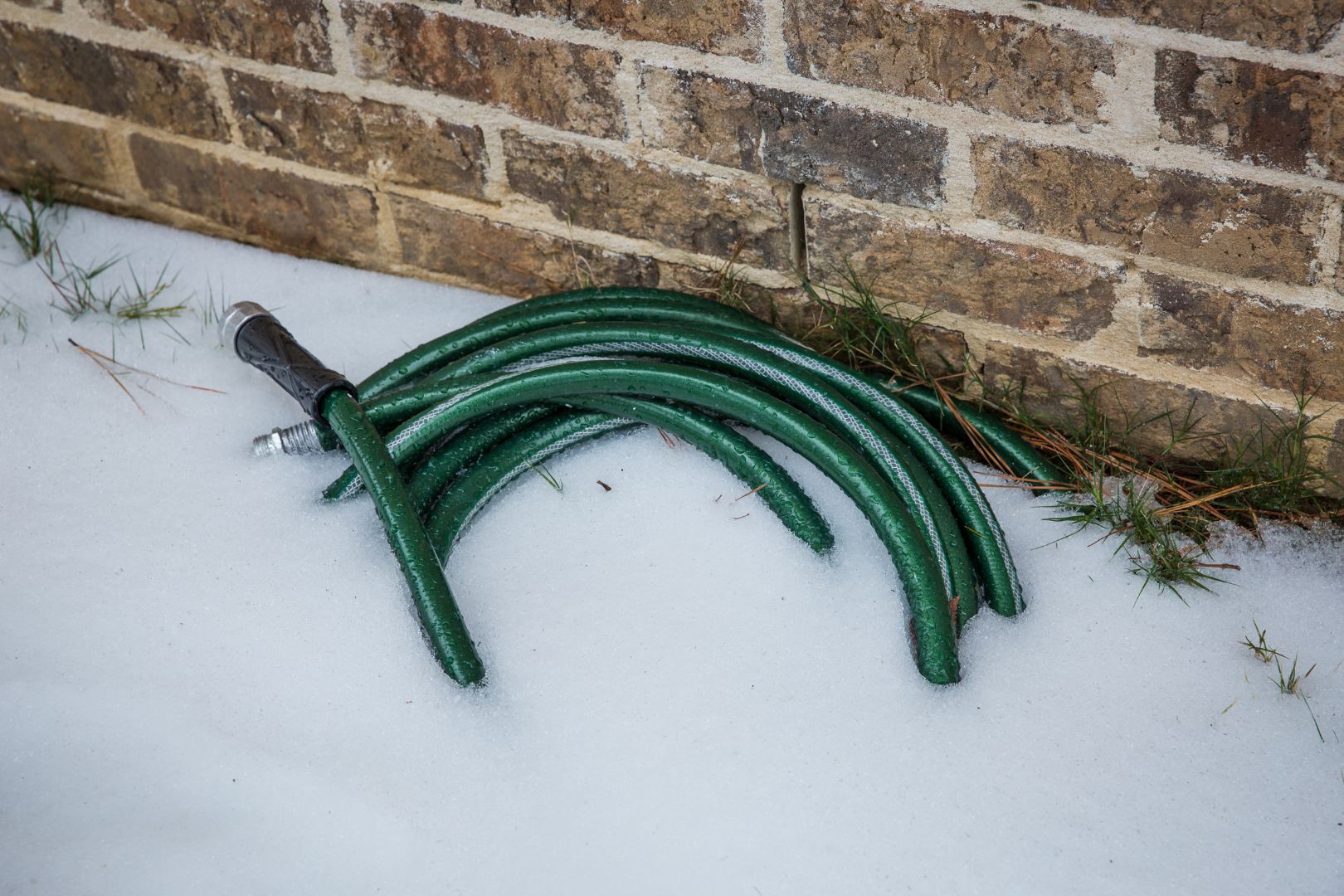
- Outdoor spigots and irrigation lines not properly winterized
Effective Freeze Prevention Strategies
Insulation is the foundation: All pipes in unconditioned spaces (crawl spaces, attics, garages) should have foam pipe insulation. In Tahoe homes, we recommend upgrading to foam insulation rated for sub-zero temperatures rather than standard hardware store versions.
Heat tape for vulnerable pipes: Thermostatically controlled heat tape provides active freeze protection for pipes that can’t be easily insulated (in exterior walls, for example). Modern heat tape includes automatic temperature sensors that activate only when temperatures approach freezing, minimizing energy costs.
Smart water shutoff valves: Devices like the Moen Flo monitor water usage patterns and can automatically shut off water if they detect unusual flow (like a burst pipe). For Tahoe vacation home owners, these systems provide critical protection during extended absences. Some insurance companies now require smart shutoff valves for coverage on second homes.
Winterization for vacation homes: Properties that will be unoccupied during freezing weather should be properly winterized:
- Drain all water lines completely
- Blow out remaining water with compressed air
- Add RV antifreeze to drain traps
- Set thermostats no lower than 55°F (if keeping minimal heat)
- Shut off and drain water heaters (or drain and add antifreeze to tanks)
Cabinet doors open during cold snaps: For pipes inside exterior wall cabinets (common under kitchen sinks), leaving cabinet doors open during the coldest nights allows warm interior air to reach pipes and prevent freezing.
What to Do If Pipes Freeze
If you turn on a faucet and only a trickle comes out (or nothing at all), you likely have a frozen pipe. Here’s the immediate action plan:
Keep the faucet open: As you thaw the pipe, water and steam created by melting ice need somewhere to go. An open faucet prevents pressure buildup that can burst the pipe.
Apply heat gradually: Use a hairdryer, heat lamp, or hot towels on the frozen section. Never use a torch, propane heater, or other open flame—you could damage the pipe or start a fire. Work from the faucet back toward the frozen area.
Check all faucets: If one pipe is frozen, others may be too. Check each fixture in the house.
Call for professional help: If you can’t locate the freeze, if pipes are inside walls, or if you suspect the pipe has already burst, call D&D Plumbing immediately. Attempting to thaw a burst pipe without professional assessment can worsen water damage.
Freeze Damage Repair & Prevention Upgrades
After a freeze event, even if pipes didn’t burst, microscopic cracks can develop that lead to failure weeks or months later. Professional inspection after any freeze incident is recommended.
For homes with recurring freeze problems, permanent solutions may include:
- Rerouting pipes out of vulnerable areas
- Adding insulation to crawl spaces or attics
- Installing frost-free outdoor spigots
- Upgrading to PEX piping in high-risk zones (more freeze-tolerant than copper)
Choosing the Right Plumbing Solutions For Your Home
Not every home needs radiant heating, repiping, or extensive freeze protection. Here’s how to prioritize:
For newer homes (built after 2000) in Reno or Sparks: Focus on water heater maintenance and upgrading to more efficient models when replacement is needed. Freeze protection is minimal unless you have pipes in uninsulated crawl spaces.
For older homes (pre-1980) in Reno or Sparks: Assess your plumbing system age. If you’re experiencing low pressure, frequent leaks, or discolored water, repiping should be a priority. If you’re renovating or replacing flooring, consider radiant heating.
For Tahoe and Truckee primary residences: Radiant heating offers substantial comfort and efficiency benefits. Invest in comprehensive freeze protection (insulation, heat tape, monitoring systems) even if you’re home full-time—power outages during snowstorms can lead to freeze damage within hours.
For Tahoe and Truckee vacation homes: Smart water shutoff valves and proper winterization protocols are non-negotiable. Consider repiping with PEX if you have copper pipes and experience freeze anxiety. Professional winterization services pay for themselves the first time they prevent a burst pipe.
Why Local Expertise Matters
National plumbing advice doesn’t account for Northern Nevada’s unique conditions. Water heater sizing recommendations based on sea-level assumptions leave Tahoe homeowners with inadequate hot water. Freeze protection strategies for moderate climates fail in Truckee’s sustained sub-zero temperatures. Repiping material choices that work in humid climates may not be optimal for our high desert environment.
D&D Plumbing has solved these region-specific problems since 1978. We’re members of the Radiant Professionals Alliance, we’ve installed thousands of hydronic heating systems in Northern Nevada, and we understand how altitude, temperature extremes, and hard water affect every plumbing decision.
Whether you’re dealing with an immediate problem or planning proactive upgrades, the solutions that work here are different from elsewhere—and that difference matters.
Residential Services From D&D Plumbing In Northern NV
If you’re unsure which plumbing issues to address first, D&D Plumbing offers comprehensive home plumbing assessments for Reno, Sparks, and Tahoe area properties. We’ll evaluate:
- Current system condition and expected remaining lifespan
- Freeze vulnerability and recommended protection measures
- Water heater efficiency and replacement timing
- Whether repiping makes financial sense for your home
- Radiant heating feasibility and ROI for your property
For homes in Northern Nevada’s high desert climate, the right plumbing solutions aren’t just about fixing problems—they’re about systems designed to handle the unique stresses of our environment. That’s the difference between plumbing that constantly needs attention and plumbing that simply works, year after year. Contact D&D Plumbing for a comprehensive plumbing assessment.